

 See My Latest Article on HelloNation
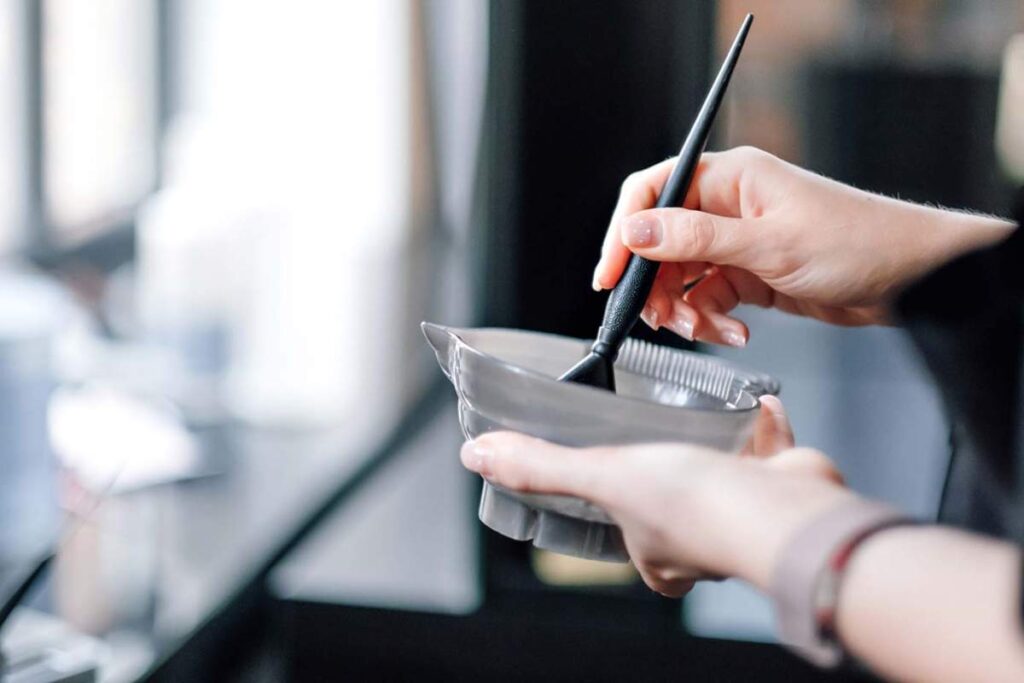
What does a deep-conditioning hair mask actually do?
A deep-conditioning hair mask gives the hair more time and more concentrated ingredients than a regular rinse-out conditioner. It can help improve softness, reduce tangling, calm frizz, and make dry or damaged strands easier to manage.
Hair masks do not permanently repair split ends or reverse all chemical damage. Instead, they temporarily smooth the outer cuticle, add moisture or conditioning agents, and reduce friction during brushing and styling. The right mask depends on whether the hair needs hydration, strengthening, oil control, or a combination of these.
Residents of Easton, PA may notice changing hair needs throughout the year. Cold, dry air can leave strands rough and static-prone, while summer humidity may increase frizz. Indoor heating, frequent washing, hard-water residue, heat styling, and chemical services can also affect how a mask performs.
Which type of hair mask is best for dry hair?
For dry hair, choose a moisture-focused mask containing ingredients such as glycerin, aloe, panthenol, fatty alcohols, plant oils, or shea-derived emollients. These ingredients help the hair retain water and feel smoother without relying only on heavy oils.
A moisturizing mask is most useful when hair feels:
- Rough or dull
- Tight after shampooing
- Prone to tangling
- Brittle at the ends
- Puffy or frizzy in humid weather
Apply the mask mainly from the middle of the hair toward the ends. The roots usually need less conditioning unless the scalp and hair are both very dry. Leaving a mask on longer than directed does not necessarily improve the result. In many cases, five to fifteen minutes is sufficient.
Very dry, thick, curly, or coily hair may benefit from a richer formula and more frequent use. Fine or straight hair often needs a lighter mask used less often to avoid a coated or flat appearance.
Are protein hair masks helpful or harmful?
Protein masks can help weak, overprocessed, or highly porous hair feel more supported, but they are not ideal for every wash day. Ingredients such as hydrolyzed keratin, wheat protein, rice protein, silk protein, or amino acids may temporarily reinforce the hair surface and reduce the feeling of excessive softness.
A protein treatment may be useful when hair is:
- Breaking more easily than usual
- Stretching excessively while wet
- Damaged by repeated bleaching or coloring
- Difficult to style because it feels limp and overly soft
Too much protein can make some hair feel stiff, dry, or straw-like. If that happens, stop protein treatments temporarily and use a simple moisturizing conditioner instead. Alternating between hydration and occasional strengthening is usually more balanced than using a strong protein mask repeatedly.
Hair that has not been chemically processed may not need added protein at all. The label “repair” does not automatically mean a product is appropriate for every hair type.
What should people with curly or wavy hair look for?
Curly and wavy hair often benefits from masks that provide slip, softness, and frizz control without leaving a waxy coating. Ingredients such as fatty alcohols, lightweight oils, aloe, and conditioning agents can make detangling easier and help curls group together.
Apply the mask in sections if the hair is dense. Use fingers or a wide-tooth comb to distribute it gently, beginning at the ends and working upward. Detangling while the mask is in the hair can reduce pulling, but force should not be used on knots.
Curly hair does not always need the richest possible treatment. A heavy mask may flatten waves, reduce volume, or make curls look greasy. If the hair loses bounce after masking, use a smaller amount, shorten the processing time, or choose a lighter formula.
A satin or smooth pillowcase, careful drying, and reduced friction may extend the benefits of conditioning more effectively than applying a very heavy mask.
What works best for fine or oily hair?
Fine hair generally needs lightweight conditioning rather than a thick, oil-heavy treatment. Look for a mask described as lightweight, balancing, volumizing, or suitable for fine hair. Apply it only to the lower lengths and ends, keeping it away from the scalp.
For oily hair, a mask does not treat excess scalp oil directly. Scalp oil is influenced by natural sebum production, washing habits, hormones, styling products, and sometimes skin conditions. Applying rich oils near the roots can make the hair look greasy more quickly.
A good routine for fine or oily hair may include:
- Shampooing the scalp thoroughly while avoiding aggressive scrubbing
- Using a lightweight mask every one to two weeks
- Applying regular conditioner only from the mid-lengths downward
- Rinsing longer than usual to remove residue
- Using less styling product near the roots
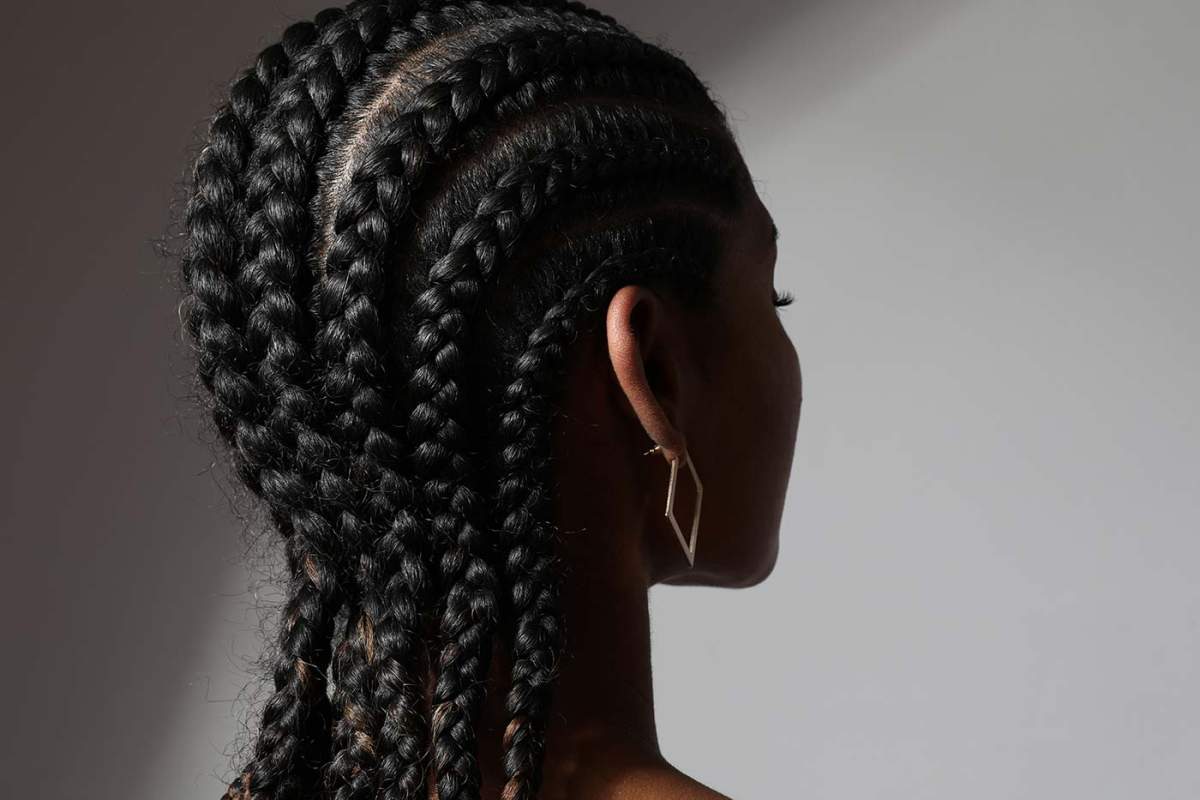
If the scalp is itchy, sore, flaky, or producing heavy buildup, a conditioning mask may not address the underlying problem.
How often should a hair mask be used?
Most people can start with a hair mask once every one or two weeks. Very dry or textured hair may need weekly conditioning, while fine, straight, or easily weighed-down hair may need a mask only once or twice a month.
Frequency should be based on how the hair responds rather than a fixed schedule. Signs that a mask is helping include easier detangling, reduced roughness, and improved softness without loss of volume.
Signs of overuse include:
- Limp or greasy-looking hair
- A coated feeling after washing
- Curls that will not hold their shape
- Stiffness or unusual dryness
- More difficulty rinsing products out
A clarifying wash may remove some buildup, but it should not be used aggressively or too often because repeated deep cleansing can increase dryness.
Can household ingredients replace a formulated hair mask?
Some kitchen ingredients can make hair feel temporarily softer, but they are not always predictable or hygienic. Mayonnaise, raw eggs, lemon juice, baking soda, and undiluted vinegar are commonly suggested online but may cause odor, irritation, dryness, or difficulty rinsing.
Coconut oil can reduce some moisture loss from the hair, but it does not work well for everyone. On certain hair types, it can create stiffness or a heavy coating. Olive oil and other thick oils may also be difficult to remove, especially from fine hair.
A formulated mask is generally easier to measure, rinse, and match to a specific need. If using any new ingredient or product, test a small area first and avoid applying it to irritated or broken skin.
What is the safest way to use a deep-conditioning mask?
Begin with clean, damp hair that is not dripping wet. Excess water can dilute the mask and make it slide off before it coats the strands. Use a moderate amount, distribute it evenly, and follow the recommended processing time.
Avoid wrapping the hair in very hot materials or using high heat unless the product specifically allows it. Excess heat can irritate the scalp and may worsen dryness or damage in fragile hair.
Rinse thoroughly with lukewarm or cool water. Do not leave a mask on overnight unless it is specifically designed for overnight use. Sleeping in a wet, heavily coated style can increase friction, transfer product to bedding, and leave the scalp uncomfortable.
In the region’s seasonal shifts, a practical approach is to use lighter conditioning during humid periods and richer moisture treatments during cold, heated indoor months. Hair that remains unusually brittle, breaks suddenly, or changes along with scalp discomfort may need a closer assessment of washing, chemical, and styling habits rather than simply adding more masks.