

 See My Latest Article on HelloNation
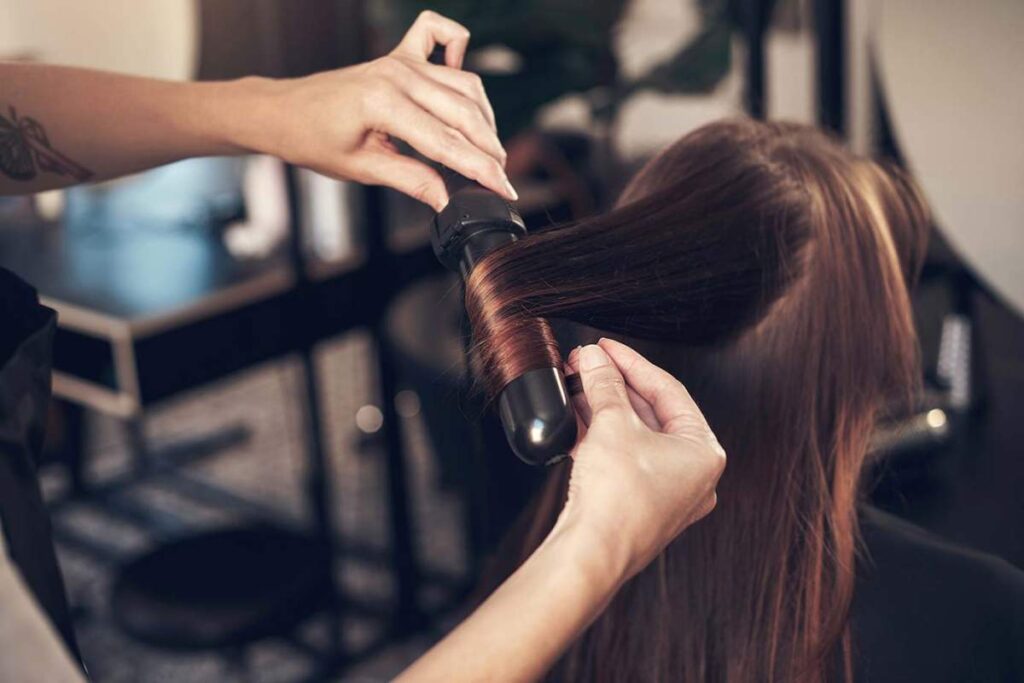
Is It Possible to Mend Split Ends Without Cutting?
While split ends technically cannot be made whole again, there are steps local residents can take to improve the look and feel of their hair between trims. The real value lies in temporarily sealing splits and preventing further damage, especially in a climate like Easton, PA, where seasonal dryness, heating, and humidity shifts can make hair more prone to breaking.
What Causes Split Ends for Easton Residents?
Split ends happen when the protective outer layer of the hair cuticle is worn down due to friction, chemical treatments, heat styling, or environmental stress. In Easton, the frequent switch between cold winters—where indoor heating dries out hair—and humid summers intensifies this cycle, making split ends a recurring issue for many.
Common causes in local households include:
- Blow-drying on high heat after winter showers
- Walking outdoors during windy days along the riverfront without protecting hair
- Chlorine exposure from community pools during summer
- Frequent brushing when hair is dry or tangled
Can Split Ends Be Repaired, or Just Masked?
No product permanently repairs a split end; instead, most methods “glue” or sheath the broken ends to prevent further splitting and make hair look healthier. These are temporary solutions that last until the next wash or exposure to environmental stress. The goal is to give hair a smoother appearance and reduce breakage until a trim is possible.
What Daily Changes Help Prevent and Minimize Split Ends?
Small changes can make a noticeable difference in reducing and masking split ends, especially with Easton’s variable weather.
Simple home adjustments include:
- Turning down heat on styling tools and using them only when necessary
- Switching from rough towels to a soft T-shirt or microfiber towel
- Applying lightweight leave-in conditioners after showers, especially during colder, drier months
- Sleeping on a silk or satin pillowcase to minimize night-time friction
- Avoiding brushing hair when wet; use a wide-tooth comb starting from the ends
Are There Treatments That Temporarily Seal Split Ends?
Yes, certain products and home remedies can give the illusion of repaired ends for a short time:
- Silicone-based serums and split end mending creams coat the hair, making splits less visible and locking in moisture
- Coconut oil or argan oil can be smoothed onto dry ends to temporarily bind fibers together and reduce appearance of fraying
- DIY protein masks such as a wheat protein treatment can strengthen hair and smooth splits
Application tips for the climate:
- In Easton, applying a sealing serum before heading outdoors on windy or freezing days can help prevent weather-induced frizz and keep ends from splitting further
- Focus treatments on the last two inches of hair, where splits are most common
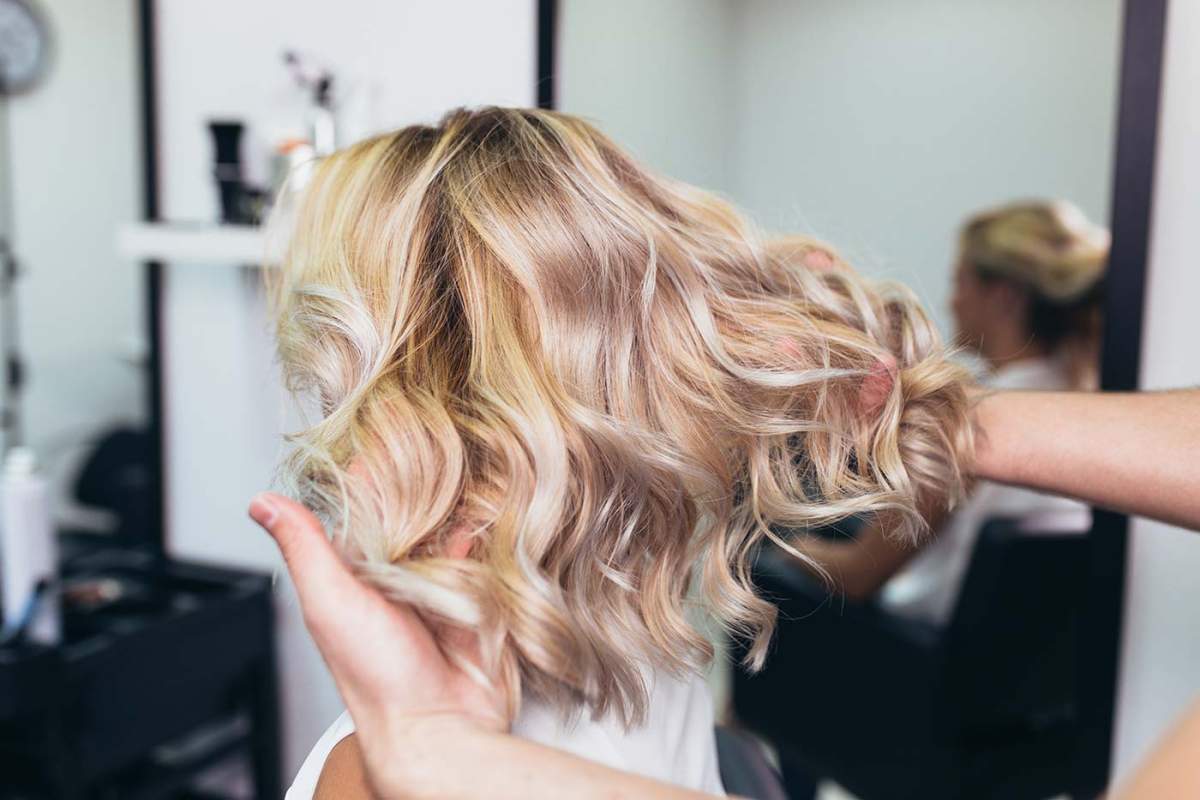
How Can Diet and Hydration Impact Hair Integrity?
Nutrition and hydration play an underappreciated role in hair strength. In communities like Easton, where winter heating is in constant use for months, staying hydrated can help keep hair more resilient.
- Drink plenty of water, especially in dry months
- Ensure balanced intake of vitamins A, C, D, E, and minerals like zinc and biotin, which support hair health
- Include healthy fats like olive oil and avocados in meals to support the natural lipid layer of hair
Missing these basics can make hair fiber more prone to splitting, no matter which topical strategies are used.
What Are Common Myths About Fixing Split Ends?
Many believe a single deep-conditioning treatment can “heal” split ends, but this is a misconception. Products can provide temporary improvement, but split ends remain until they are trimmed away. Overuse of heavy treatments may also weigh fine hair down, especially in humid summer conditions known to Easton.
Another misconception is that trimming hair causes it to grow faster—regular trims simply keep splits from traveling up the hair shaft and creating an uneven, frizzy look.
How Often Should Protective Measures Be Done?
For area households, it’s most effective to use a split end binding serum or oil after every wash, particularly during transitional seasons like early spring and fall when environmental stress is highest. Weekly deep conditioning and gentle detangling should be ongoing habits. Pay special attention to protective routines after activities that increase risk, such as swimming in chlorinated water, using heated tools, or spending time outdoors in extreme weather.
What to Do Until You Can Get a Trim
Sometimes busy schedules or winter weather make it difficult to visit a salon. In the meantime, focus on:
- Keeping ends moisturized daily
- Minimizing further damage by winding hair into a loose braid at night and covering with a scarf during cold winds
- Avoiding harsh elastics or tight hairstyles that increase stress on ends
By combining these home strategies, local residents can keep split ends less visible and maintain healthier-looking hair, even between salon visits.