
 See My Latest Article on HelloNation
Changing hair color can be as simple as shifting a shade warmer or as involved as removing years of dark dye. The safest, most predictable results come from understanding the starting color, the desired outcome, the condition of the hair, and the time required for the change.
What should be considered before changing hair color?
Before choosing a new shade, look at the hair’s current color history, texture, porosity, and overall condition. A color change is not based only on the shade shown in a photo or on a box.
Important questions include:
- Has the hair been colored, lightened, relaxed, permed, or chemically treated?
- Is the current color natural, semi-permanent, demi-permanent, or permanent?
- Are there areas with gray, faded ends, banding, or uneven porosity?
- Does the hair feel dry, stretchy, rough, or fragile when wet?
- How much maintenance will the new color require?
Hair with several layers of artificial color may respond differently from untreated hair. The ends may absorb color quickly, while newer growth may process more slowly. A realistic plan accounts for those differences instead of treating all hair as if it were a single, even canvas.
Can hair color be made lighter with hair dye?
Usually, artificial color does not reliably lighten previously colored hair. A lighter dye may brighten natural regrowth, but it generally cannot remove darker permanent color from the lengths and ends.
This is one of the most common misunderstandings about color changes. For example, applying a medium brown dye over black permanent color will not normally create a soft medium brown result. The artificial pigment remains underneath, and the new color may appear only on the untreated roots.
Moving lighter often requires color removal or lightening, sometimes in stages. The process can reveal underlying warm tones such as red, orange, or yellow. Those tones are not necessarily a sign that something went wrong; they are part of the natural pigment exposed as hair becomes lighter. Further toning or coloring may be needed to create the final shade.
Why does hair often turn warm during lightening?
Dark hair naturally contains warm underlying pigment. As it lightens, the visible color may progress through reddish, copper, orange, golden, or pale yellow stages.
The final appearance depends on several factors:
- The original natural depth
- Previous artificial color
- The strength and timing of the lightening process
- Hair porosity and texture
- The chosen toner or gloss
- Indoor and outdoor lighting
A cool-looking reference photo may require a certain level of lightness before it is possible. Toner can adjust unwanted warmth, but it cannot usually make significantly dark hair appear several levels lighter. If the hair is not light enough, a very cool formula may look dull, muddy, or uneven rather than bright and balanced.
How does previous color affect the result?
Color history is often more important than the current shade. A single application of color several years ago may still influence the way the hair processes, especially on porous ends.
Be prepared to describe:
- The approximate dates of previous color services
- Any at-home color, including temporary or “natural” color products
- Past highlights, bleach, or corrective color
- Chemical straightening, relaxing, or permanent waving
- Heat damage, breakage, or areas that do not hold color well
Some products marketed as temporary can leave behind staining or uneven pigment. Certain plant-based or metallic-containing color products may also react unpredictably with lighteners. Full and accurate color history helps prevent surprises and reduces the risk of excessive processing.
What hair condition is suitable for a major color change?
Hair should have enough strength to tolerate the planned process. Healthy-looking hair is not always healthy internally, so a simple visual check is not enough.
Warning signs that may require a more cautious approach include:
- Hair breaking during brushing
- Excessive shedding caused by breakage
- A gummy or stretchy feeling when wet
- Rough, brittle ends
- Severe tangling
- Large differences in texture between the roots and ends
A major change may need to be divided into multiple sessions to protect the hair. Trying to reach the final shade in one visit can create more damage than the hair can tolerate. Sometimes the most responsible plan is to improve condition first, choose a darker or less demanding shade, or remove only part of the existing pigment.
How should a new shade be selected?
Choose a color based on both appearance and upkeep. A shade that looks attractive in a photograph may be difficult to maintain with a particular natural color, texture, or lifestyle.
Consider how the color will look:
- In daylight and indoor lighting
- With the natural root color growing in
- Against the skin’s undertone
- With the usual haircut and styling routine
- After several weeks of fading
- With gray growth, if applicable
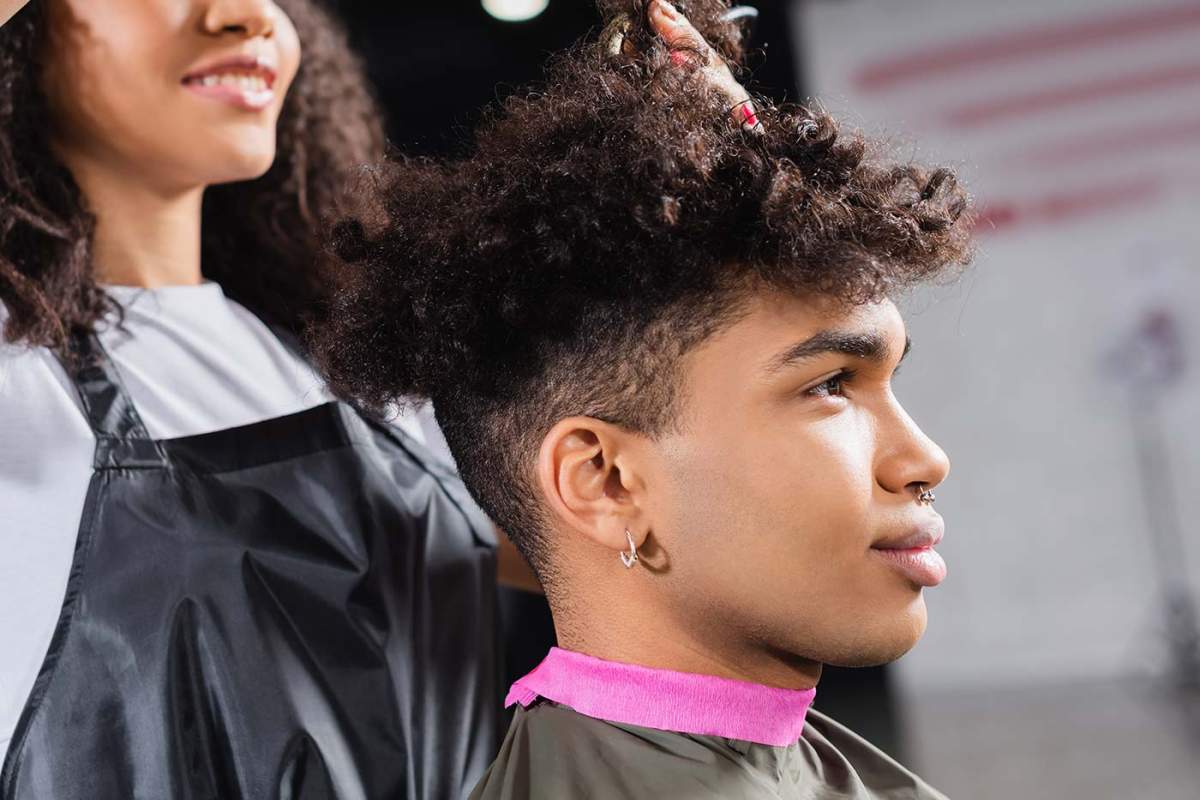
Reference photos are useful for discussing tone and depth, but they do not guarantee an identical result. Lighting, camera settings, hair density, previous color, and editing can all change how a shade appears. It is more helpful to identify qualities such as “soft beige,” “deep neutral brown,” or “warm copper” than to rely on a single image.
How long does a color change take?
The time required depends on the difference between the starting shade and the target shade. A subtle tonal adjustment may be relatively straightforward, while going from very dark to very light can require several carefully spaced stages.
A complete color change may include:
1. Protecting the hair and surrounding skin
2. Removing or lightening existing pigment
3. Assessing the exposed underlying tone
4. Applying a new color, toner, or gloss
5. Conditioning and checking the final result
6. Adjusting the haircut or styling to reveal the color evenly
Hair with multiple bands of color often takes longer than hair with one uniform shade. The process may also be extended when the hair needs pauses between stages.
What should Easton residents consider seasonally?
Seasonal conditions can affect how freshly colored hair feels and behaves. Warm, humid periods may increase frizz and make porous hair absorb moisture unevenly. Cold, dry weather can leave the scalp and lengths feeling drier, especially when indoor heating is used.
The area’s changing seasons also make aftercare important. Frequent washing, hot water, wool hats, indoor heat, sun exposure, and outdoor activities can all contribute to faster fading or dryness. A color change planned before a long period of swimming, travel, or regular outdoor activity may need a more protective maintenance routine.
Hard or mineral-heavy water can also affect shine and tone over time. Mineral buildup may make light hair look dull, darker hair appear less reflective, or warm tones seem more noticeable. If the hair changes gradually after washing, water quality may be one factor worth considering alongside products and styling habits.
What aftercare helps preserve the result?
Color-treated hair generally benefits from gentle handling and consistent moisture. Wash frequency, water temperature, heat styling, and sun exposure can influence how quickly color fades.
Practical habits include:
- Use lukewarm rather than very hot water.
- Avoid washing immediately after a color service unless instructed otherwise.
- Limit repeated high-heat styling.
- Use heat protection before blow-drying or using hot tools.
- Detangle from the ends upward.
- Protect hair from prolonged sun exposure.
- Rinse thoroughly after swimming.
- Trim dry, splitting ends rather than relying only on conditioning products.
Color-safe products can help, but they cannot prevent all fading. Bright reds, coppers, fashion shades, and very cool blondes often require more frequent maintenance than natural-looking brunettes or darker shades.
When is a strand or allergy test useful?
A strand test shows how a small section of hair responds before the entire head is processed. It can reveal unexpected warmth, uneven absorption, excessive dryness, or a slower-than-expected result.
An allergy or skin sensitivity test may also be necessary for certain color formulas, especially if there has been a previous reaction. Burning, swelling, blistering, or intense itching should not be ignored. If a reaction occurs, rinse according to product directions and seek medical advice when symptoms are severe, spreading, or persistent.
A successful color change is not defined only by reaching a particular shade. It also means the result fits the hair’s history, condition, maintenance needs, and the realities of everyday life in the community.