

 See My Latest Article on HelloNation
What does a healthy scalp look and feel like?
A healthy scalp is generally comfortable, free of persistent itching, and not covered with thick flakes, sores, or painful bumps. Mild oiliness or occasional flaking can occur, but ongoing irritation deserves attention rather than being treated as a normal part of having hair.
Scalp health depends on the condition of the skin beneath the hair. Sweat, oil, styling residue, weather changes, tight hairstyles, and irritating products can all affect that skin. In Easton, PA, seasonal shifts between cold, dry air and warm, humid weather may make scalp comfort change throughout the year.
How often should hair be washed?
There is no single ideal washing schedule. Hair should generally be washed often enough to remove sweat, oil, dead skin, and product buildup without leaving the scalp tight or irritated.
People with an oily scalp, frequent exercise, or a job that causes sweating may need to wash more often. Those with dry, curly, coily, or tightly textured hair may need less frequent washing, depending on how the scalp feels and how the hair responds.
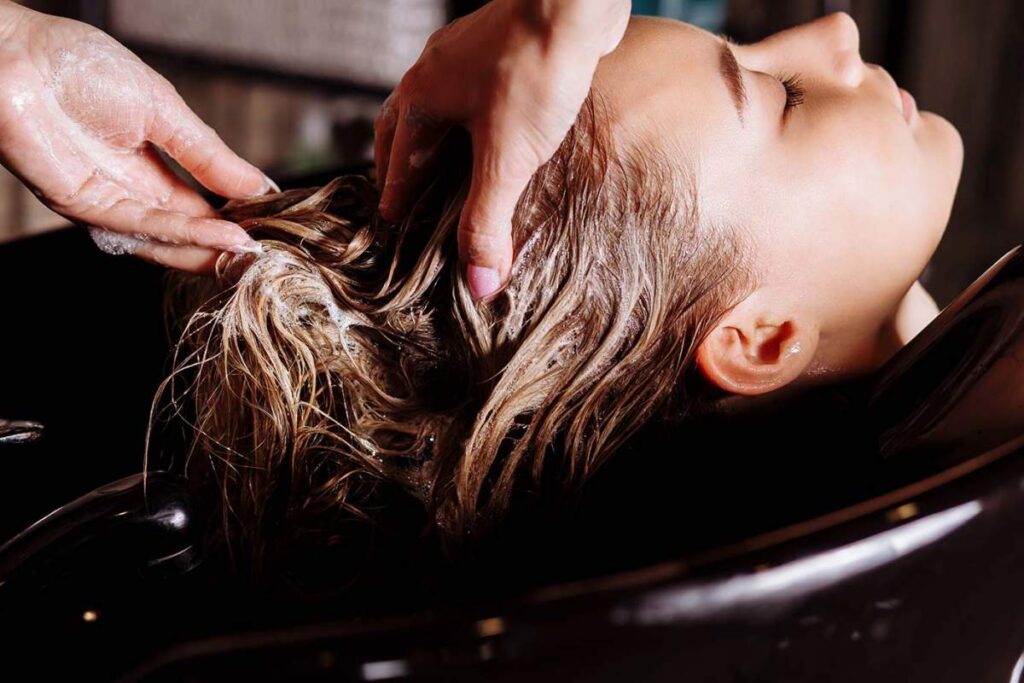
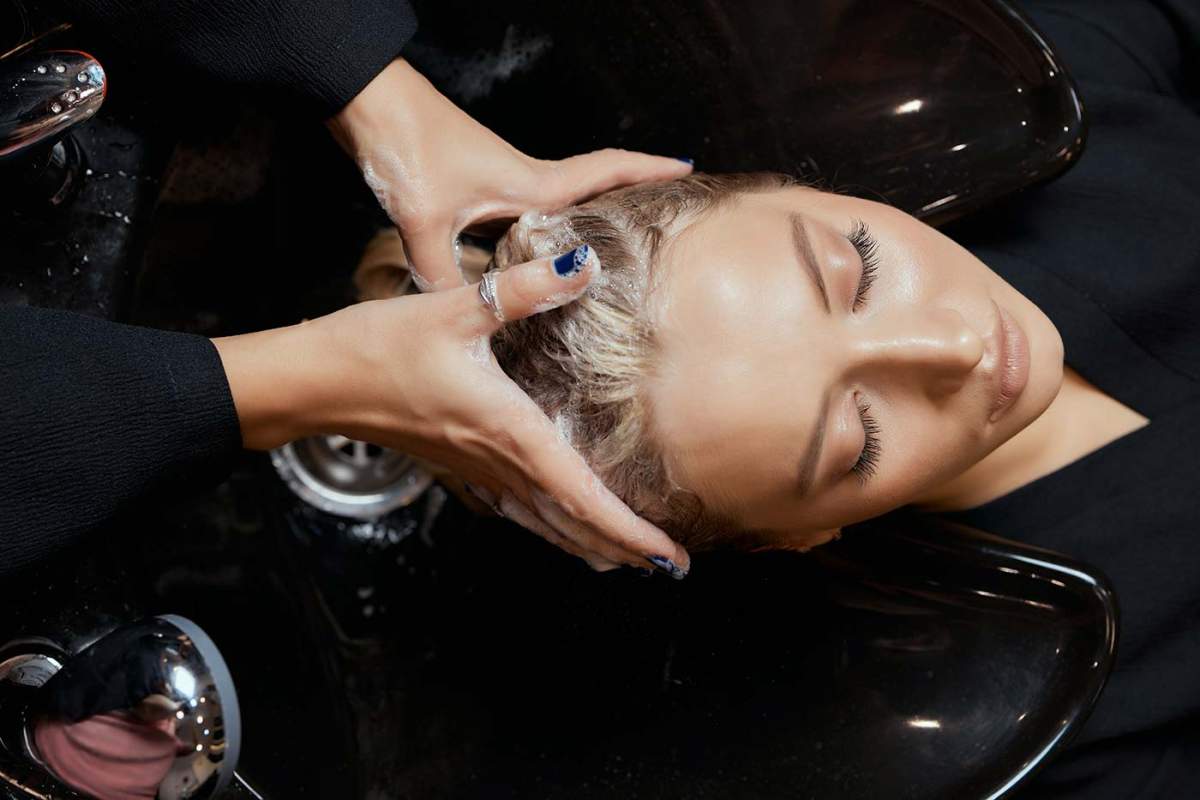
Use lukewarm water rather than very hot water. Hot water can increase dryness and irritation. Apply shampoo primarily to the scalp, using the finger pads instead of fingernails, then rinse thoroughly. Conditioner is usually most useful on the lengths and ends of the hair rather than directly on the scalp.
A common mistake is scrubbing aggressively to remove flakes. Scratching or vigorous brushing can create small breaks in the skin and make inflammation worse.
How can dandruff and flaking be managed?
Dandruff is not always caused by a lack of moisture. It can be related to oil, sensitivity to naturally occurring scalp yeast, seborrheic dermatitis, product irritation, or other skin conditions.
For recurring dandruff, an over-the-counter dandruff shampoo may help. Common active ingredients include ketoconazole, selenium sulfide, zinc pyrithione, salicylic acid, and coal tar. Different ingredients work in different ways, so a product that helps one person may not help another.
Follow the directions on the label, including how long the shampoo should remain on the scalp. Some people benefit from alternating products with different active ingredients if one product stops working. Dandruff shampoos should be applied to the scalp, not spread unnecessarily through the full length of curly or fragile hair, because they may cause dryness.
If a medicated shampoo causes burning, swelling, or a worsening rash, stop using it. Persistent or severe flaking may reflect seborrheic dermatitis, psoriasis, eczema, contact dermatitis, or an infection rather than ordinary dandruff.
Which hair habits can damage the scalp?
Several everyday habits can cause irritation without being obvious at first.
- Wearing tight ponytails, braids, extensions, or protective styles for long periods can place repeated tension on the follicles.
- Scratching with fingernails can break the skin and increase the risk of infection.
- Leaving sweat, dry shampoo, gels, oils, or sprays on the scalp for extended periods may contribute to buildup.
- Frequent heat styling can dry the skin and hair, especially when combined with chemical processing.
- Fragranced products, essential oils, and hair dyes can trigger irritation or allergic reactions in sensitive people.
- Sharing combs, brushes, hats, pillowcases, or hair accessories can spread certain scalp infections.
A useful routine is to introduce only one new scalp or hair product at a time. If redness or itching develops, it becomes easier to identify the likely cause.
How should the scalp be cared for during seasonal changes?
Cold weather, indoor heating, and low humidity can make the scalp feel tight or flaky. Gentle shampoo, lukewarm water, and avoiding unnecessary fragrance may reduce irritation during winter. A humidifier may help if indoor air is consistently dry, but it should be cleaned regularly to prevent mold and microbial growth.
Warm, humid weather can increase sweating and oil production. After heavy exercise or outdoor activity, rinsing or washing the scalp can help remove sweat and residue. Wearing a clean, breathable hat and avoiding prolonged moisture under head coverings may also improve comfort.
Water quality can affect how hair feels, but scalp symptoms should not automatically be blamed on household water. Persistent redness, pain, scaling, or hair loss may have a medical cause that requires a proper evaluation.
Can scalp care prevent hair loss?
Good scalp care can reduce avoidable breakage and inflammation, but it cannot prevent every type of hair loss. Hair loss may be related to genetics, hormonal changes, illness, nutritional problems, medications, autoimmune conditions, or physical stress on the follicles.
Repeated tight hairstyles can cause traction-related hair loss, particularly around the hairline and temples. Early signs may include tenderness, small bumps, broken hairs, or a receding edge. Loosening the style and varying how the hair is worn can reduce ongoing tension.
Sudden shedding, clearly defined bald patches, scalp pain, or hair loss accompanied by scaling should not be dismissed as routine shedding. These symptoms may require medical assessment.
When is itching more than ordinary dryness?
Itching that lasts more than a short period, repeatedly returns, or occurs with visible inflammation may have a cause beyond dry skin. Possible causes include dandruff, seborrheic dermatitis, eczema, psoriasis, contact allergy, lice, folliculitis, or fungal infection.
Seek medical guidance for:
- Painful swelling, pus, crusting, or open sores
- A spreading rash or intense burning
- Sudden or patchy hair loss
- Thick plaques or silvery scale
- A circular, scaly bald area
- Swollen lymph nodes, fever, or signs of infection
- Symptoms that do not improve after reasonable self-care
Scalp ringworm can cause scaling, itching, broken hairs, and round areas of hair loss. It is more common in children but can affect adults. Scalp ringworm usually requires prescription treatment and should not be treated with ordinary skin cream alone.
What should someone know before a salon visit?
A clean scalp is helpful, but aggressive scrubbing immediately before a haircut, color service, or styling session can make the skin more sensitive. Avoid applying a new product shortly before a service if there is a history of reactions.
Scalp tenderness, sores, a spreading rash, or unexplained hair loss should be mentioned before chemical treatments or tight styling. Chemical services should not be applied over broken or inflamed skin. A patch test may be appropriate for people with a history of reactions to hair color or other products.
The most reliable scalp routine is simple: cleanse according to oil and activity levels, rinse thoroughly, avoid repeated irritation, protect the scalp from excessive sun, and pay attention to changes that persist. Healthy-looking hair is easier to maintain when the skin underneath it is treated gently and observed regularly.