

 See My Latest Article on HelloNation
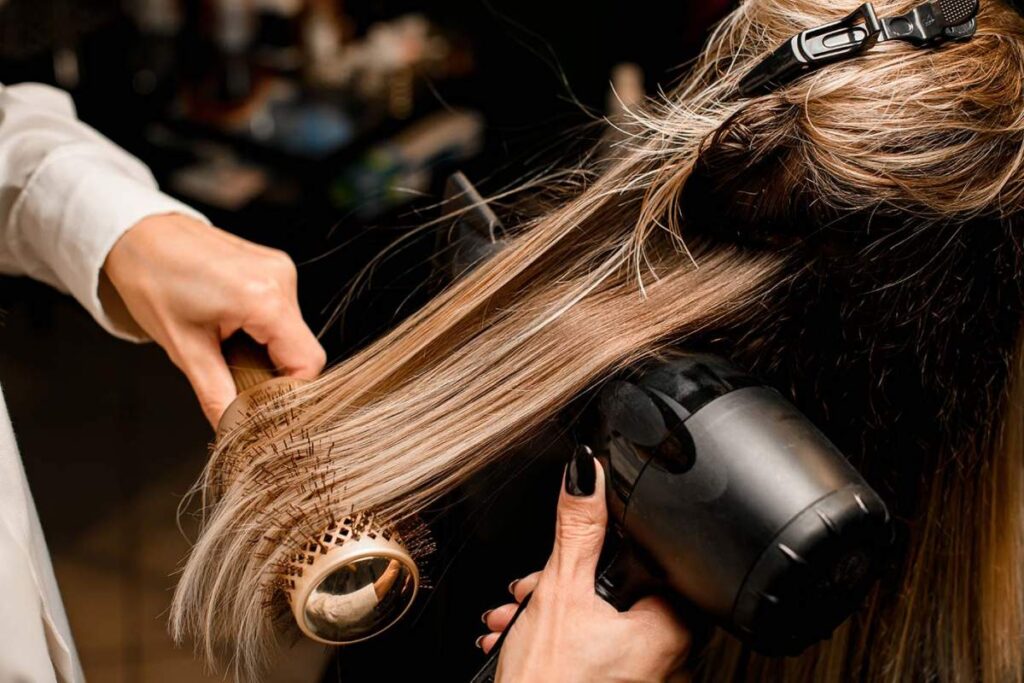
Fine hair can look flat even when it is healthy, clean, and properly styled. The goal is not to make every strand feel thick, but to create lift at the roots, reduce excess weight, and choose habits that help the hair hold its shape.
For residents in Easton, PA, seasonal humidity, winter dryness, indoor heating, and frequent changes between outdoor and indoor conditions can all affect volume. A practical routine should account for both hair type and the local climate.
What makes fine hair look flat?
Fine hair has a smaller strand diameter than coarse hair. A person may have a lot of fine strands, but each strand still has less width and structure. This can make the hair collapse close to the scalp, especially when it is weighed down by oil, heavy products, long layers, or excess moisture.
Flatness can also come from:
- Product buildup near the roots
- Conditioner applied too close to the scalp
- Hair that is too long or cut with too much weight
- Naturally straight or low-density growth patterns
- Humidity causing the hair to lose shape
- Dryness and static during colder months
- Sleeping on damp hair
Fine hair is not automatically weak or unhealthy. It simply responds best to lighter products, controlled drying, and a haircut that supports movement.
Which haircut creates the appearance of more volume?
A haircut with moderate movement usually gives fine hair a fuller appearance. Blunt or softly blunt ends can make the perimeter look denser, while subtle internal layers can prevent the shape from appearing heavy.
Very long hair may look thinner because its weight pulls the roots downward. A shorter or medium-length cut often gives the hair more lift. However, removing too much with aggressive layering can make the ends look sparse, so layers should be balanced with the overall density and texture.
Useful haircut principles include:
- Keep the ends relatively solid when density is limited.
- Use soft layers to create movement without thinning the perimeter.
- Avoid excessive razor work if the ends already look delicate.
- Consider a side part or slightly off-center part for natural root lift.
- Reassess length if the hair becomes flat shortly after styling.
The most suitable shape depends on whether the hair is straight, wavy, curly, or chemically treated. Fine wavy hair may benefit from layers that encourage movement, while fine straight hair often needs a stronger outline to maintain visual fullness.
How should fine hair be washed?
Clean roots generally lift more easily than oily or product-coated roots. That does not mean fine hair needs harsh or daily shampooing. The right frequency depends on scalp oil, exercise, weather, and styling habits.
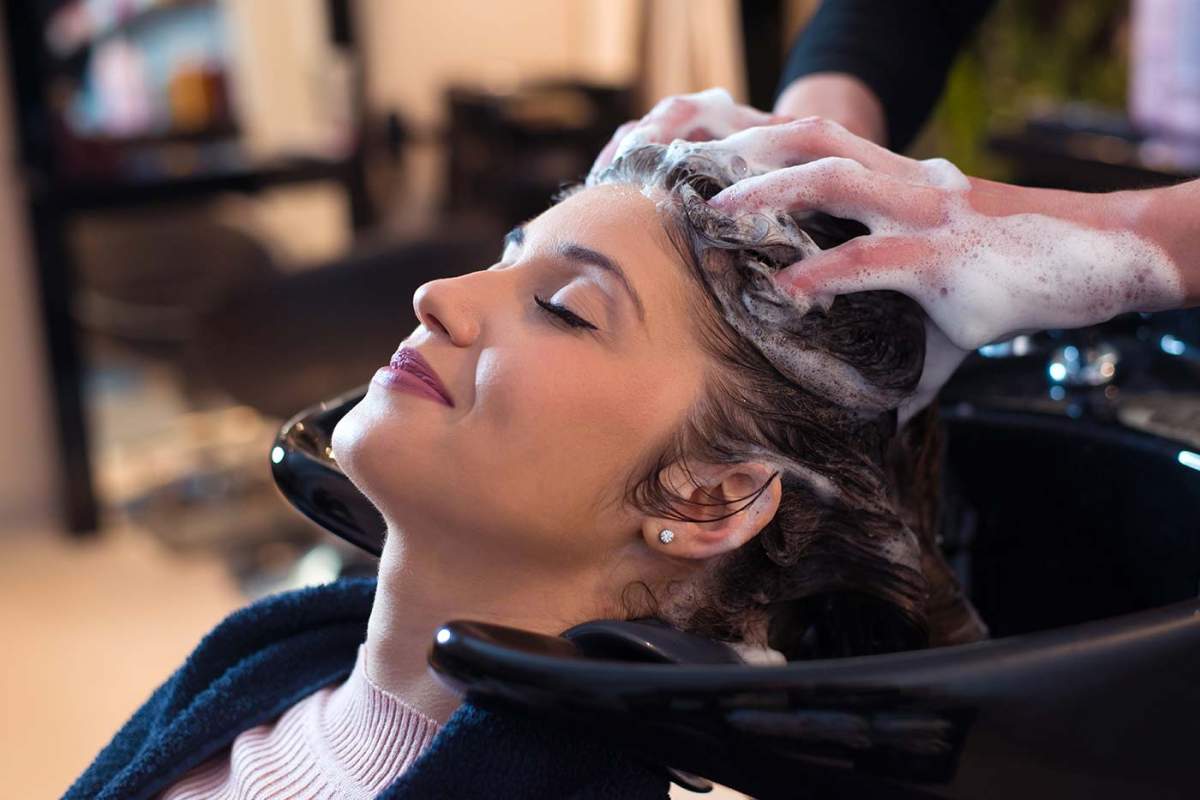
Apply shampoo primarily to the scalp rather than scrubbing the full length repeatedly. As the lather rinses through the ends, it usually provides enough cleansing for the lower sections. Conditioner should be placed mainly from the middle of the hair toward the ends.
A lightweight cleansing routine may include:
- Shampooing when the scalp feels oily or coated rather than following a rigid schedule
- Using lukewarm water instead of very hot water
- Rinsing thoroughly around the crown and behind the ears
- Applying a small amount of conditioner only where the hair feels dry
- Using a clarifying wash occasionally if styling products accumulate
Overuse of heavy masks, oils, and rich leave-in treatments can make fine hair limp. These products may be useful for damaged ends, but they are usually better kept away from the roots.
What styling methods provide the most lift?
Root direction matters more than using a large amount of product. Hair tends to dry in the position in which it is held, so lifting the roots while drying can create longer-lasting volume.
After washing, gently squeeze out water with a towel instead of rubbing the hair aggressively. Detangle from the ends upward, then dry the roots first. Direct airflow against the natural direction of growth, lifting sections with the fingers or a vented brush.
For better results:
- Begin with damp, not soaking-wet, hair.
- Apply lightweight volumizing product mainly near the roots.
- Lift sections upward while drying.
- Change the part while the hair cools, then return it to the desired position.
- Use a cool-air setting briefly to help the style settle.
- Avoid repeatedly brushing after the hair is fully dry.
A round brush can add shape, but pulling too hard may flatten the roots or create unnecessary tension. Fine hair often responds well to smaller sections and moderate heat rather than high heat applied for a long time.
Do volumizing products really work?
Volumizing products can improve texture and hold, but they cannot permanently change the thickness of individual strands. Their main benefit is reducing slipperiness, adding light structure, or helping the roots stay lifted.
Helpful product categories may include:
- Lightweight root sprays
- Airy mousses
- Texturizing powders used sparingly
- Flexible hairsprays
- Light styling creams for controlling flyaways
The amount matters. Start with less than expected and add only if needed. Too much product can create stiffness, residue, or a coated feeling that makes the hair appear flatter.
Dry shampoo may absorb oil and add temporary texture, but it should not replace regular cleansing. Apply it sparingly and avoid layering it repeatedly over several days, especially if the scalp becomes itchy, tender, or congested.
How do weather and indoor conditions affect volume in Easton?
Seasonal changes can alter both styling results and scalp comfort. Humid conditions may soften a blowout and encourage fine hair to fall closer to the head. Cold, dry air and indoor heating can increase static, roughness, and breakage, which may make the hair look less polished even when the roots have volume.
During humid weather, lighter products with flexible hold are often more useful than heavy creams. During colder months, focus conditioner on the ends, reduce static-producing friction, and avoid going outdoors with wet hair.
A few practical habits include:
- Drying the roots completely before leaving home in cool weather
- Using a smooth pillowcase or loosely securing hair at night
- Protecting the ends from repeated friction caused by scarves, coats, and collars
- Avoiding heavy oils near the scalp
- Keeping indoor air from becoming excessively dry when possible
These adjustments are especially helpful for people whose routines involve commuting, outdoor walking, or moving frequently between heated buildings and cold air.
What common mistakes reduce fullness?
Several habits can work against volume even when the styling technique is sound. Applying conditioner at the scalp, using too much smoothing product, and allowing the roots to air-dry flat are frequent causes of limpness.
Other mistakes include:
- Wearing the same part every day when the roots have become compressed
- Sleeping with wet hair
- Using high heat without lifting the roots
- Over-layering dry shampoo or texture powder
- Trimming away too much density from the ends
- Brushing the hair repeatedly after styling
- Choosing a haircut that is too long for the hair’s natural support
Fine hair also benefits from gentle handling. Breakage near the front and crown can make the hair appear thinner over time, so tight hairstyles and rough detangling should be limited.
When might flatness signal a change in hair health?
A naturally fine texture is different from a sudden reduction in density. Noticeable shedding, widening at the part, visible scalp where it was not previously apparent, scalp irritation, or abrupt changes in texture may deserve attention.
Keep track of when the change began and whether it followed illness, major stress, medication changes, hormonal shifts, nutritional problems, or significant weight loss. A qualified medical professional can help evaluate persistent or sudden changes.
For ordinary fine hair, the most reliable approach is usually simple: keep the roots clean without over-cleansing, use lightweight products, dry with intention, and choose a shape that does not pull the hair down. Volume should come from support and balance rather than excessive teasing, heat, or product.